How We Work
Most consulting engagements go sideways because they start with the wrong question: 'Which platform should we buy?' Tactic starts with a different question: 'How does your business actually work?'
That’s not philosophical — it’s practical risk management. The organizations that do the operational work first are the ones that end up with systems they actually use, teams that can operate independently, and investments that deliver ROI instead of regret. This page explains how we reduce that risk, phase by phase, approval gate by approval gate.
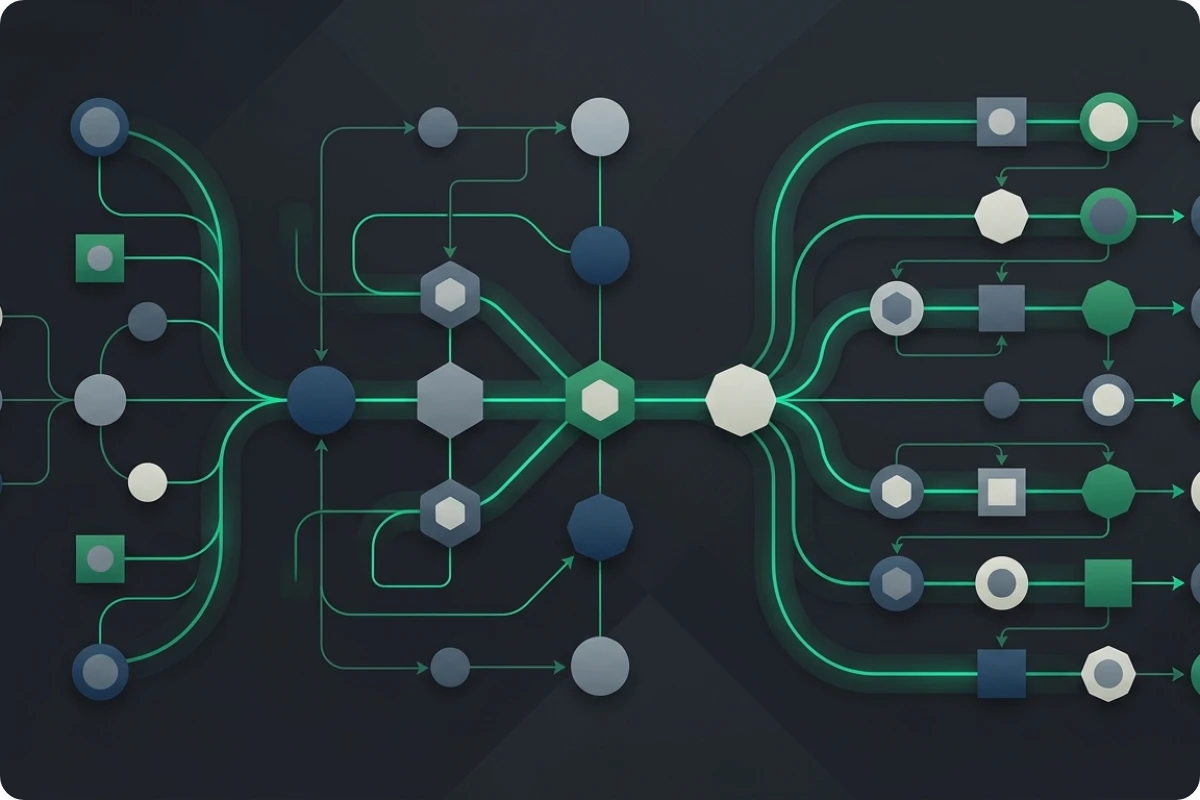
Process Before Platform
Before we recommend a single piece of technology, we need to understand how your business actually works. Not the org chart. Not what the CRM vendor promises. The real flow: how a lead becomes a customer, how a request becomes a deliverable, where information gets stuck or duplicates.
We do this through working sessions with the people who do the work every day — the reps, the coordinators, the ops managers. The people who know where the workarounds live and why they exist.
The output is a process map. It becomes the blueprint for everything we build. Every workflow, every automation, every integration traces back to a real need in your operation — not a feature from a vendor demo.
Why it matters
This step reduces risk. We're not guessing at your needs or designing around a sales pitch. Everything we build solves a problem you've already identified. Which means you're not going to wake up six months into the engagement realizing you funded the wrong thing.
Phased Implementation
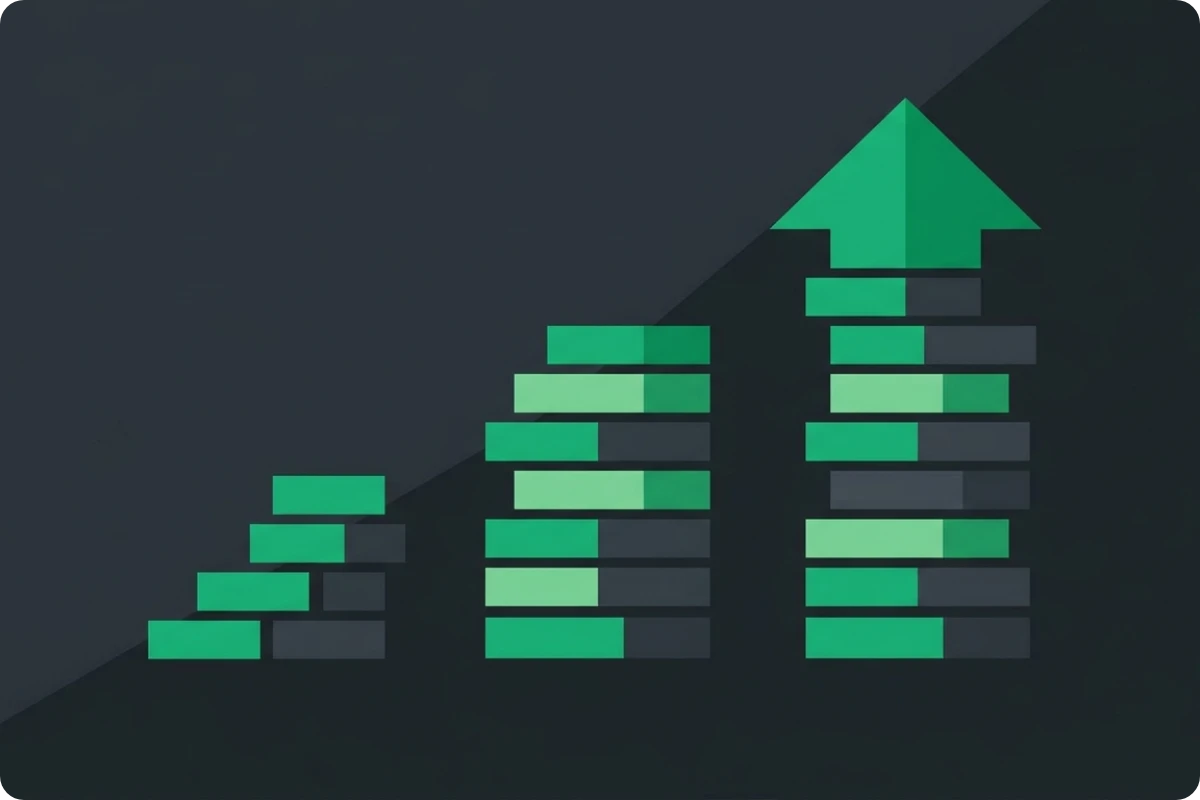
We don't deploy everything at once. That's a recipe for overwhelmed teams and failed adoption.
Instead, we break the engagement into phases. Phase one is the foundation — clean data, core workflows, the basics done right. Your team learns in a controlled environment. Phase two adds complexity: automation, integrations, reporting. By this point, your team is confident and ready for more. Phase three is where you differentiate: custom builds, AI capabilities, competitive advantages.
Each phase has a clear scope, timeline, and success criteria. You know exactly what you're getting, when you're getting it, and whether it's actually working.
Why it matters
Phased rollouts let you learn as you go — and more importantly, they let you change direction if needed. The insights from phase one always inform phase two. But more than that, it means you're never far from a working system. If you need to pause, you pause with something valuable in place. You're never trapped in an incomplete implementation waiting for the consultant to finish.
Power Users, Not Passengers
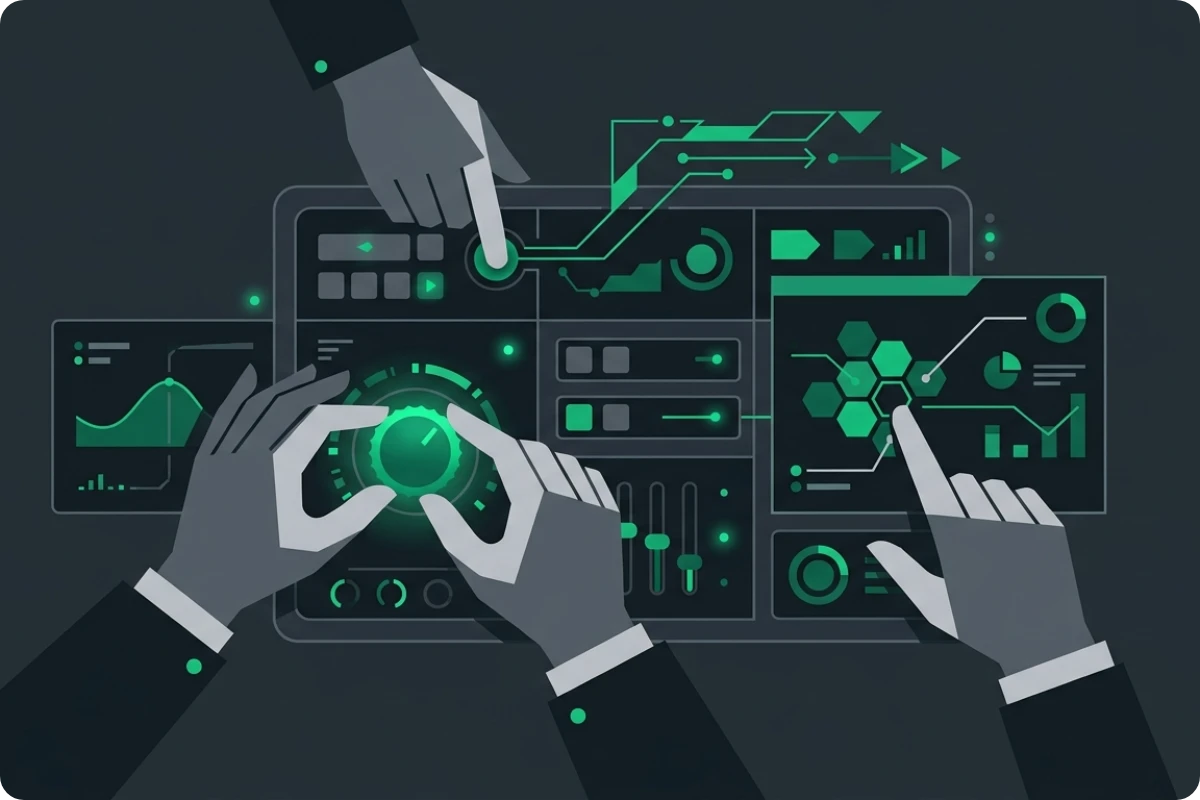
The best outcome of any engagement is when you don't need us anymore.
We work alongside your team, not in a back room. Every build session is a training session. Every workflow ships with documentation written for the people who'll use it — not technical manuals nobody reads. When we hand something off, your team understands the why behind it, not just which buttons to click.
This means your team can troubleshoot independently, make adjustments as the business changes, and extend the system without waiting for an external resource. You own it. You operate it. You improve it.
Why it matters
Most consulting relationships create dependency. Ours create independence. Your team should be more capable six months after we hand off than they were before we started. If they're not, something went wrong. That's not a business model we're interested in — and it shouldn't be what you want either.
Systems That Scale
We build for what comes next — a new team, a new business unit, an acquisition, capabilities you haven't thought of yet.
That means clean data architecture from day one. Naming conventions that make sense at scale. Automation documented well enough for someone new to understand and modify. Integrations built on proper APIs, not workarounds that break when a vendor updates their platform.
The difference shows up three years in, when your business has grown and the system still works seamlessly. Or it shows up in acquisition due diligence, when your systems actually pass technical review instead of being identified as a liability.
Why it matters
Rebuilding a system that wasn't designed to scale costs 3-5x more than doing it right the first time. We build for your future, not just your present. That means you're never going to hit a growth milestone and suddenly realize you need to blow everything up and start over.

What an engagement looks like.
Discovery
We run working sessions with your team — the people who do the work every day. We map current processes, identify pain points, and define what success actually looks like for your business. The output: a process map that becomes your blueprint. You review it, approve it, and use it to make sure we're building the right thing.
Architecture & Planning
Based on your process map, we design the architecture. Platform selection, data flows, integrations, phased milestones. Everything is transparent — you see the plan, understand the reasoning, and approve it before we build a single workflow. No surprises. No pivot halfway through because we misunderstood your needs.
Build & Train
We build in phases. Your team is embedded in every step — not watching, but doing. Every build session is a training session. Each phase ends with a working system your team understands and can operate, not a promise of one someday. You can measure progress, learn as we go, and adjust if needed.
Launch & Evolve
Full documentation, recorded walkthroughs, and a team that can operate your system independently. Your team runs it without us. Some engagements wrap cleanly here. Others evolve into ongoing partnerships as your business grows and you want new capabilities. Either way, you're in control — you're never stuck in a consulting relationship you don't want.
Platform-agnostic, deep where it counts.
We map your operation first, which means we recommend the right tool for your business, not the tool that gives us the easiest sale. Sometimes that's HubSpot. Sometimes it's Salesforce. Sometimes it's a custom build. What matters is that the technology matches your operation, not the other way around.
CRM & Sales Operations
HubSpot (all Hubs), Salesforce, PandaDoc CPQ
Development & Infrastructure
Cloudflare Workers, React, TypeScript, Drizzle ORM, custom APIs
AI & Automation
Claude API, custom AI agents, workflow automation, RAG pipelines
Project & Ops
Jira, Linear, custom dashboards, Notion
From chaos to clarity.
Most consulting relationships leave you dependent. Ours leave you independent. Let's discuss your operation, identify where transformation happens first, and build a plan that makes your team capable and confident.
Start a conversation